
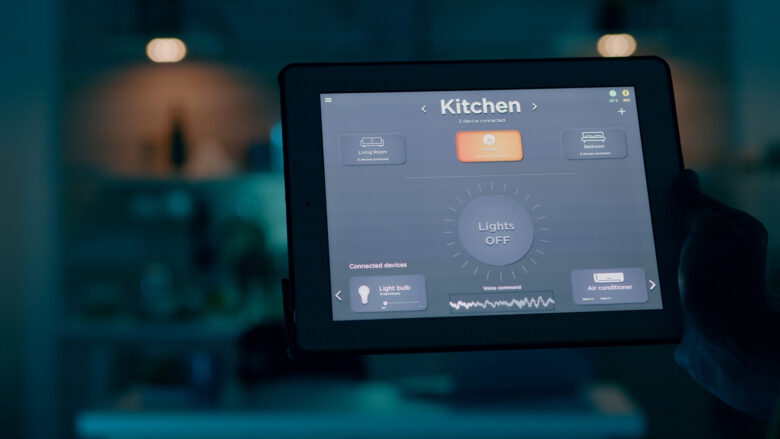
Residential technology environments are increasingly evolving into interconnected computing systems where everyday devices function as nodes within broader software-driven platforms. Sensors, embedded processors, and wireless communication modules enable household devices to exchange data continuously with cloud services and local network controllers. As a result, modern homes are beginning to resemble distributed computing environments rather than collections of independent electronic tools.
Within these environments, devices no longer perform isolated tasks. Lighting systems coordinate with environmental sensors, climate control equipment interacts with occupancy monitoring tools, and home security platforms analyze activity patterns across multiple connected devices. Software services aggregate information from these sources, enabling automated responses and predictive adjustments based on historical usage patterns.
The technological foundation supporting these capabilities extends beyond the devices themselves. Wireless networking infrastructure, cloud processing platforms, and machine learning models form the operational framework that allows smart home devices to function collaboratively. As manufacturers continue to develop new generations of connected systems, residential technology architecture is steadily shifting toward integrated platforms designed to manage comfort, security, energy use, and household operations through coordinated device networks.
Sensor Networks and Environmental Awareness in Smart Homes
Modern smart home devices rely heavily on sensor networks that monitor environmental conditions throughout residential spaces. Temperature sensors track climate variations across rooms, motion detectors observe activity patterns, light sensors measure ambient brightness, and air quality monitors assess pollutants or humidity levels within indoor environments.
These sensors operate as distributed data sources. Each device collects localized information, which is then transmitted to centralized software platforms responsible for interpreting signals and coordinating device responses. A thermostat, for example, may adjust heating or cooling settings not only based on temperature readings but also on occupancy data from motion sensors and time-based patterns derived from historical usage.
Environmental awareness allows smart home systems to operate with greater efficiency. Lighting systems can activate automatically when movement is detected in low-light conditions. Climate control devices may reduce energy consumption when rooms remain unoccupied for extended periods. Air filtration systems can increase airflow when sensors detect elevated particulate levels.
Sensor integration also supports predictive adjustments. Instead of reacting only after environmental changes occur, systems can anticipate user needs based on observed behavior patterns. Morning temperature adjustments, automatic lighting transitions at sunset, and scheduled appliance operations are often coordinated through sensor-driven insights.
These sensor networks form the informational foundation of smart home ecosystems, enabling devices to respond dynamically to environmental conditions across the household.
AI Integration and Predictive Automation
Artificial intelligence plays an increasingly significant role in advanced smart home systems. Machine learning models analyze large datasets generated by connected devices, allowing platforms to identify usage patterns and adjust device behavior accordingly.
Predictive automation emerges from this analytical capability. Smart thermostats, for example, evaluate historical temperature adjustments, occupancy patterns, and external weather conditions to determine optimal heating or cooling schedules. Over time, the system learns which environmental conditions align with user preferences.
Lighting platforms apply similar logic. Usage data collected from manual adjustments and automated triggers helps the system determine typical lighting requirements for different rooms and times of day. Gradually, the platform begins adjusting brightness levels automatically without requiring explicit user input.
Voice-controlled assistants further extend the role of artificial intelligence within residential environments. Natural language processing systems interpret spoken commands, allowing occupants to interact with device networks through conversational interfaces. These assistants often act as centralized control points capable of coordinating multiple devices simultaneously.
Predictive automation depends on consistent data collection and ongoing model refinement. The accuracy of machine learning predictions improves as systems accumulate additional data about household behavior. As a result, AI-enabled smart homes tend to become more adaptive over time.
Automation evolves incrementally.
Systems refine responses through continuous analysis.
Connectivity Standards and Interoperability
Smart home ecosystems typically include devices manufactured by different companies, each designed with its own communication protocols and software frameworks. Ensuring that these devices interact effectively requires interoperability standards capable of bridging diverse hardware and software environments.
Communication protocols such as Wi-Fi, Zigbee, Z-Wave, and Bluetooth enable devices to transmit data across local networks while maintaining energy efficiency suitable for battery-powered equipment. Gateways or smart home hubs often act as intermediaries, translating signals between devices operating under different communication standards.
Interoperability initiatives have led to the development of shared software frameworks that allow devices to discover one another automatically within a network. When a new device joins the system, the platform identifies its capabilities and integrates it into the broader automation environment.
These frameworks reduce fragmentation across the smart home device market. Without standardized communication mechanisms, coordinating device interactions across multiple manufacturers would be significantly more complex.
Compatibility therefore becomes a central architectural consideration when designing smart home environments. The effectiveness of automated residential systems depends largely on whether devices can exchange information reliably within a shared operational framework.
Security Architecture for Connected Homes
Security represents one of the most significant challenges associated with connected residential technology. Each networked device introduces a potential entry point into the household’s broader computing environment, particularly when devices communicate continuously with cloud platforms or external services.
Smart home security architecture typically includes multiple protective layers. Authentication mechanisms ensure that only authorized devices can connect to the home network. Encryption protocols protect data transmitted between devices and cloud services, reducing the risk of unauthorized interception.
Firmware update systems play an essential role in maintaining security. Device manufacturers release software updates that address newly identified vulnerabilities or improve security configurations. Automatic update mechanisms allow devices to receive these improvements without requiring manual installation.
Network segmentation provides an additional safeguard. Some home networks isolate connected devices within separate virtual environments so that potential security issues affecting one device do not automatically expose the entire system.
Security monitoring tools may analyze network traffic to identify unusual activity patterns that could indicate attempted intrusion. When irregular behavior is detected—such as unexpected data transmissions or unauthorized access attempts—alerts can notify system administrators or homeowners.
Maintaining security across multiple connected devices remains complex. Effective strategies must address both hardware vulnerabilities and software risks across the entire device ecosystem.
Energy Management and Smart Infrastructure Integration
Energy management represents a rapidly expanding application of modern smart home technology. Connected appliances, smart meters, and grid-aware systems enable households to monitor and adjust energy usage with greater precision than traditional infrastructure allowed.
Smart meters provide real-time information about energy consumption patterns within the home. This data can be analyzed by home management platforms that suggest adjustments designed to reduce peak demand or distribute appliance usage more efficiently throughout the day.
Connected thermostats and climate control systems contribute significantly to energy optimization. These devices evaluate temperature patterns, occupancy data, and external weather conditions to maintain comfortable environments while minimizing unnecessary energy consumption.
Integration with broader infrastructure systems is also becoming more common. In some regions, smart home systems communicate directly with utility providers, allowing electricity demand to be balanced across the grid. During periods of high demand, certain appliances may temporarily reduce energy usage automatically.
Renewable energy integration further expands these capabilities. Homes equipped with solar panels and battery storage systems can coordinate energy generation, storage, and usage through connected management platforms. These systems analyze energy flows continuously, determining when to store electricity, when to use it locally, and when to return excess power to the grid.
Energy management technologies position smart homes as active participants within larger infrastructure systems that coordinate energy distribution across communities.
Conclusion
Next-generation smart home devices represent a significant transformation in how residential technology operates within everyday environments. Sensors, connectivity protocols, cloud computing systems, and machine learning models combine to form integrated platforms capable of coordinating multiple household devices simultaneously. Instead of functioning as independent machines, lighting systems, climate controls, security equipment, and energy management tools increasingly operate as components of unified software-driven networks.
The architecture supporting these systems extends beyond individual devices. Wireless communication infrastructure, interoperability standards, and cloud processing platforms allow smart home technologies to function as distributed computing environments embedded within residential spaces. This infrastructure enables automation capabilities that adjust household systems in response to environmental signals and behavioral patterns.
Ongoing development of smart home technologies is likely to focus on improving interoperability, strengthening security frameworks, and expanding predictive automation capabilities. As device networks grow and computational platforms evolve, the operation of connected homes will continue to depend on coordinated device communication and software orchestration across multiple systems.
FAQs
1. What distinguishes next-generation smart home devices from earlier connected appliances?
Next-generation devices integrate advanced sensors, machine learning capabilities, and interoperability frameworks that allow them to coordinate actions across multiple systems within the home. Earlier smart devices often operated independently, while newer platforms emphasize cooperative device networks managed through centralized software environments.
2. How do smart home devices communicate with each other?
Devices communicate through wireless networking protocols such as Wi-Fi, Zigbee, Bluetooth, or Z-Wave. Many systems also use hubs or gateways that translate signals between different protocols, enabling devices from different manufacturers to operate within the same automation framework.
3. Are smart homes dependent on internet connectivity?
Many features rely on internet connectivity, particularly those involving cloud-based analytics or remote control. However, some systems can operate locally within the home network, allowing basic automation functions to continue even when external internet access is temporarily unavailable.
4. How does artificial intelligence improve smart home functionality?
AI systems analyze historical data generated by connected devices to identify patterns in environmental conditions and user behavior. These insights allow platforms to adjust heating, lighting, and appliance operation automatically, improving efficiency and responsiveness over time.
5. Why are interoperability standards important for smart home ecosystems?
Interoperability standards allow devices from different manufacturers to communicate within the same network. Without these shared protocols and software frameworks, coordinating device interactions across multiple systems would be significantly more difficult.