
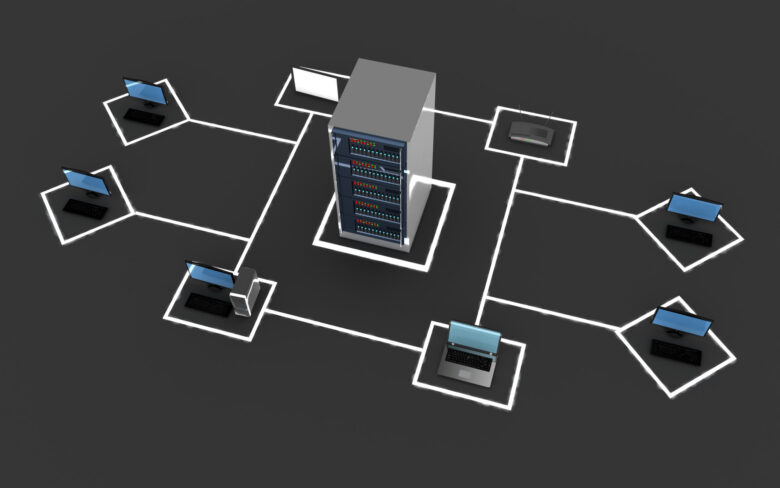
Enterprise and regulatory computing systems have expanded into large-scale distributed platforms where applications, services, and data components operate across interconnected operational layers. Organizations now rely on extensive software environments that coordinate business operations, public services, financial systems, and industrial processes through shared digital infrastructure. These environments do not consist of single applications working independently. Instead, they function as complex ecosystems composed of collaboration services, databases, networking systems, and security layers.
Infrastructure scaling has played a central role in shaping these ecosystems. Software platforms must now support millions of concurrent transactions, process large volumes of data generated across multiple systems, and maintain continuous availability across geographic regions. To meet these requirements, infrastructure designers build environments that combine distributed computing, modular service architecture, and automated system management.
The result is an evolving architectural framework in which software applications interact through standardized interfaces, data exchange protocols, and operational management tools. Within this structure, reliability, interoperability, and security must operate simultaneously while supporting ongoing growth in system capacity and functionality.
1. Distributed System Architecture in Large-Scale Software Environments
The architecture of modern software ecosystems increasingly depends on distributed computing models. Instead of concentrating all application logic within a single server environment, distributed systems divide workloads across multiple processing nodes connected through high-speed networks.
In these environments, application services operate as modular components responsible for specific functions. One service may handle user authentication, another may manage transaction processing, while additional services control data storage, analytics, or messaging operations. This modular design allows software platforms to expand gradually by adding new service components without restructuring the entire system.
Service orchestration platforms coordinate communication between these components. Requests originating from users or external systems pass through application gateways that route them to the appropriate service modules. Load-balancing mechanisms distribute incoming traffic across available resources to maintain system performance during periods of high demand.
Distributed architecture also improves operational resilience. When a particular service instance becomes unavailable, traffic can be redirected to another node performing the same function. This redundancy allows large-scale platforms to maintain availability even when individual components experience technical disruptions.
These distributed models have become essential for organizations operating platforms that must remain continuously accessible across global user bases.
2. Modular Software Services and Application Integration
Software ecosystems rarely consist of isolated applications. Instead, they are composed of interconnected services designed to exchange information and coordinate operational processes across organizational systems.
Application programming interfaces (APIs) provide the communication layer that enables this integration. APIs define how different services interact, specifying the structure of requests, authentication requirements, and response formats. Through these interfaces, software components developed by different teams—or even different organizations—can participate within a shared operational framework.
Microservice architecture has expanded the use of these integration mechanisms. In microservice environments, large applications are divided into smaller services that communicate through well-defined APIs. Each service manages a specific operational responsibility, allowing development teams to update or scale individual components without affecting the broader system.
Messaging systems further support coordination between services. Instead of relying exclusively on direct communication, messaging platforms allow services to exchange events asynchronously. When one component performs an operation, it can publish an event that triggers responses from other services within the ecosystem.
This architectural shift toward modular services transforms software systems into dynamic operational networks where components communicate through structured interfaces and shared messaging environments.
3. Governance Tools in Software Ecosystem Management
Governance frameworks play a critical role in ensuring that software ecosystems operate reliably as they grow in complexity. Large organizations often manage hundreds of interconnected services, each performing distinct operational tasks within the broader system architecture.
Without governance mechanisms, coordinating these services would become increasingly difficult. Configuration management systems maintain standardized system settings across distributed environments, ensuring that application services operate within defined operational parameters.
Access control systems regulate how developers, system administrators, and automated services interact with platform infrastructure. Identity management frameworks verify credentials and assign permissions that determine which operations can be performed within each system component.
Operational monitoring tools provide another layer of governance. These systems collect metrics related to service performance, resource utilization, and network activity. When irregular conditions arise—such as sudden traffic spikes or service degradation—monitoring platforms generate alerts that allow engineering teams to investigate potential issues.
Governance mechanisms therefore support both technical stability and organizational accountability within large software environments.
4. Interoperability Frameworks Across Platform Ecosystems
Software environments often extend across platforms operated by different organizations. Financial institutions exchange information with payment networks, logistics platforms coordinate with supply chain systems, and healthcare providers interact with insurance and regulatory frameworks.
Interoperability frameworks enable these diverse systems to communicate effectively. Standardized data formats allow applications to interpret information consistently even when they operate within separate environments. Protocols governing authentication and data exchange ensure that communication occurs securely across organizational boundaries.
International standards organizations frequently define these interoperability protocols. Shared frameworks help ensure that platforms developed in different regions or by different vendors can still participate in collaborative workflows.
Interoperability also influences how software platforms evolve over time. Systems designed with open integration capabilities can incorporate new services or external partners more easily than closed architectures.
The ability of software ecosystems to interact across organizational boundaries depends heavily on carefully designed interoperability frameworks.
5. Compliance Environments and Regulatory Alignment
As software ecosystems expand into industries that handle sensitive data—such as financial services, healthcare, and telecommunications—compliance requirements increasingly influence architectural design decisions.
Regulatory frameworks often require organizations to maintain detailed records describing how systems process data and how operational decisions are made within software platforms. Logging systems capture system activity, while audit mechanisms ensure that platform operations remain transparent to oversight authorities.
Data protection regulations also shape system architecture. Encryption protocols protect sensitive information both in storage and during transmission across networks. Access management systems restrict how data can be accessed or modified by users and automated processes.
Compliance monitoring tools enable organizations to verify that software systems remain aligned with regulatory requirements. These systems automatically evaluate operational conditions against compliance policies and generate reports that document adherence to governance standards.
Software architecture therefore evolves not only in response to technical requirements but also to regulatory expectations that shape how systems are designed and managed.
6. Cybersecurity Infrastructure Within Software Ecosystems
Cybersecurity infrastructure functions as a foundational layer within software environments. Because these systems often process sensitive information and support critical operations, protecting them against unauthorized access and malicious activity is essential.
Security architecture typically incorporates multiple defensive layers. Network security tools monitor incoming and outgoing traffic to detect suspicious patterns. Application-level protections analyze software behavior to identify vulnerabilities or unauthorized activity.
Encryption technologies safeguard sensitive data from interception attempts. Authentication systems verify the identity of users and services before granting access to system resources. Role-based access controls ensure that individuals can interact only with components relevant to their operational responsibilities.
Threat intelligence platforms contribute to proactive defense strategies. These systems analyze emerging cybersecurity risks and distribute information to security teams responsible for protecting infrastructure environments.
Cybersecurity within software ecosystems extends beyond individual applications. It involves coordinated defense mechanisms operating across the entire architecture.
7. Infrastructure Management and Platform Scalability
As software ecosystems expand, infrastructure management becomes increasingly complex. Platforms must support growing user populations, increasing data volumes, and expanding application functionality while maintaining stable performance.
Cloud computing environments provide scalable infrastructure resources that allow organizations to adjust computing capacity dynamically. Automated provisioning systems allocate additional processing resources when demand increases and release unused capacity during periods of lower activity.
Containerization technologies further streamline infrastructure management. Applications packaged as containers can be deployed consistently across different computing environments without requiring extensive configuration adjustments.
Infrastructure orchestration platforms coordinate the deployment, scaling, and monitoring of these containers across distributed computing clusters. These systems ensure that applications remain balanced across available resources while maintaining operational reliability.
The architectural structure of software ecosystems continues to evolve as infrastructure expands to support larger workloads and increasingly complex service networks operating under ongoing scalability demands.