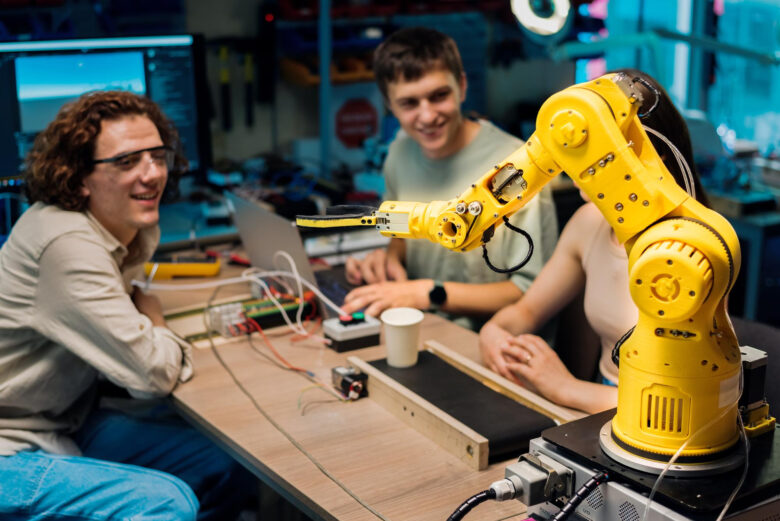
Robotic systems are increasingly embedded within coordinated digital systems where artificial intelligence, network connectivity, and software coordination define how machines interact with physical and virtual environments. These systems are no longer limited to controlled industrial settings. Instead, they operate across diverse contexts, including healthcare facilities, logistics networks, residential settings, and public infrastructure. Their integration reflects broader technological structures where computation extends beyond screens into physical action.
Internet infrastructure enables continuous communication between robotic systems and external platforms. Data generated by sensors and operational processes is transmitted, analyzed, and returned as actionable instructions, allowing robots to function as components within distributed environments. Software systems coordinate these processes, ensuring that robotic behavior aligns with real-time inputs and changing conditions.
The expanding presence of intelligent robotics illustrates how AI-driven systems are reshaping interactions between technology and society. Their ability to process information, adapt to dynamic environments, and execute tasks with a level of autonomy positions them as active participants within interconnected technological frameworks.
Robotics Within Connected Technological Ecosystems
Robots increasingly function as nodes within broader technological ecosystems rather than as isolated machines. Their performance depends on continuous interaction with software platforms, data systems, and network infrastructure. These connections enable access to external resources, system updates, and coordination with other devices.
Interconnected operation supports more complex task execution. In logistics environments, robotic systems coordinate with inventory databases and routing algorithms to manage movement within warehouses. In healthcare settings, robots interact with data systems to assist with monitoring and support functions.
This integration highlights how robotic capabilities extend beyond mechanical operation. Their effectiveness depends on how well data is exchanged and how efficiently system components coordinate across environments.
Artificial Intelligence as the Core of Robotic Functionality
Artificial intelligence serves as the central mechanism that enables robots to interpret data and respond to their surroundings. Machine learning models process sensor input, identifying patterns that inform decision-making processes.
These systems allow robots to operate in environments that are not fully predictable. Rather than relying solely on predefined instructions, robots adjust behavior based on real-time conditions. This adaptability is particularly relevant in applications such as autonomous navigation, where environmental variables change continuously.
Computer vision expands these capabilities by enabling object recognition and spatial awareness. Natural language processing allows interaction through spoken or text-based input. Together, these systems support more flexible and context-aware operation.
The integration of AI shifts robotics toward systems that can learn from data and adjust over time, rather than remaining static tools.
Internet Infrastructure and Real-Time Coordination
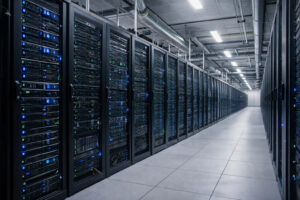
Connectivity plays a critical role in enabling robotic systems to function within distributed environments. Internet infrastructure supports communication between robots and centralized platforms, allowing data to be transmitted and processed efficiently.
Real-time coordination depends on low latency and reliable data exchange. Robots must receive and respond to information quickly, especially in environments involving movement or interaction with changing conditions. Network performance therefore directly influences operational effectiveness.
Cloud-based systems extend computational capacity. Robots can offload complex processing tasks to remote servers, accessing advanced analytics without requiring extensive onboard resources. This approach supports scalability and enables more sophisticated functionality.
Applications in Industrial and Commercial Settings
Industrial environments have long integrated robotic systems into production processes where precision and consistency are essential. Robots perform tasks such as assembly, packaging, and inspection within coordinated workflows.
Commercial applications extend these capabilities into logistics and retail. In warehouses, robots manage inventory movement and order fulfillment, interacting with systems that track and optimize operations. In retail environments, robotic systems support inventory monitoring and assist with customer-facing processes.
These applications demonstrate how robotics contributes to efficiency within structured environments. Their integration reflects alignment between physical operations and digital systems that manage coordination and data flow.
Service Robotics and Public Interaction
Robots are increasingly present in public and service-oriented environments where interaction with individuals becomes a central function. Service robots operate in settings such as hospitals, hotels, and transportation hubs, assisting with tasks that involve navigation, communication, and support.
Interaction models in these environments differ from industrial contexts. Robots must interpret human behavior, respond appropriately, and operate within shared spaces. This requires AI systems capable of processing contextual information and adapting to varying situations.
The presence of robots in public environments reflects how technology becomes part of everyday interaction. Their role is influenced by both technical capability and the way they are integrated into social settings.
Consumer Robotics and Domestic Integration
Robotic systems have also become part of residential environments, performing tasks related to household maintenance and personal assistance. Devices such as robotic cleaners and home automation systems operate within connected ecosystems that integrate sensors, software platforms, and network connectivity.
These systems rely on continuous data collection to navigate and adapt to their surroundings. Sensors detect obstacles, map spaces, and monitor environmental conditions, allowing robots to operate autonomously. Integration with other smart home devices enables coordinated functionality across systems.
Consumer robotics reflects how intelligent systems integrate into daily routines. Their operation is often designed to remain unobtrusive while supporting routine activities.
Ethical and Operational Considerations
The integration of intelligent robotics introduces considerations related to ethics, accountability, and operational reliability. Decisions made by AI-driven systems may influence outcomes in areas where safety and data usage are relevant.
Transparency in system behavior becomes important, particularly in contexts where robotic decisions affect individuals directly. Understanding how systems generate outputs and ensuring predictable operation remain ongoing challenges.
Operational reliability also plays a key role. Robotic systems must function consistently in environments that may change over time. Maintenance processes, updates, and monitoring systems support continued performance within defined parameters.
Interoperability and System Integration
Robotic systems often operate alongside multiple platforms and devices, making interoperability essential. Standardized communication protocols allow robots to exchange data with other systems, supporting coordinated operation across different environments.
Integration platforms facilitate interaction between systems with varying architectures. These platforms manage data exchange and enable compatibility, allowing robotic systems to function within diverse technological ecosystems.
The ability to integrate effectively influences scalability. Systems that support flexible integration can be deployed across a wider range of applications and environments.
Evolution of Human–Machine Interaction
The relationship between humans and robots continues to evolve as systems become more capable and integrated into everyday contexts. Interaction shifts from direct control toward collaborative engagement, where humans and machines operate within shared workflows.
Advances in AI support more intuitive interaction. Robots interpret commands, gestures, and environmental cues, reducing the complexity of use. This enables broader accessibility across different user groups and environments.
As robotic systems become more prevalent, their role expands across both physical and cognitive tasks. Their integration reflects broader patterns of technological development where intelligent systems become embedded within human activity.
Conclusion
Intelligent robotic systems function as integrated components within technological ecosystems shaped by artificial intelligence, software platforms, and network infrastructure. Their presence across industrial, commercial, and consumer environments reflects the increasing coordination between physical and digital systems.
These systems process data, coordinate actions, and adapt to changing conditions, enabling operation within complex environments. Connectivity, data exchange, and software coordination define how robots interact with both physical surroundings and digital systems.
Their continued development reflects the evolving relationship between technology and environment, where interconnected systems shape patterns of work, interaction, and everyday activity.
FAQs
1. What distinguishes intelligent robots from traditional automated machines?
Traditional automated machines follow fixed programming with predefined actions. Intelligent robots incorporate AI systems that allow them to interpret data, recognize patterns, and adjust behavior based on changing inputs.
2. Where are intelligent robots most commonly used?
They are widely used in manufacturing, logistics, healthcare, and consumer technology, supporting tasks such as assembly, monitoring, and service interaction.
3. How do intelligent robots interact with other technologies?
Robots connect through network infrastructure and software platforms, exchanging data with sensors, applications, and control systems to coordinate operations.
4. Do intelligent robots always require internet connectivity?
Some systems operate independently using onboard processing, while others rely on connectivity for advanced analysis and coordination with external systems.
5. How might intelligent robots influence future technological development?
As infrastructure and AI capabilities expand, robotic systems are expected to become more integrated into everyday settings, contributing to increasingly coordinated technological structures.