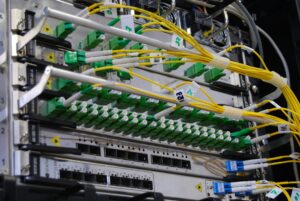

Global connectivity operates as a foundational layer beneath contemporary technological systems, enabling communication, computation, and data exchange across diverse settings. Everyday interactions with applications, devices, and platforms depend on infrastructure that remains largely invisible yet continuously active. From financial transactions and healthcare records to media streaming and industrial automation, the internet supports processes that require coordination between distributed components.
This infrastructure extends beyond physical cables and servers. Software ecosystems interpret, route, and manage data as it moves between endpoints, while intelligent systems analyze patterns and optimize performance. The interaction between hardware, protocols, and software layers creates an operational framework capable of supporting real-time activity at scale.
Observable patterns in modern technology reveal how deeply integrated connectivity has become within daily routines. Devices communicate across networks without interruption, applications synchronize data automatically, and services respond to input with minimal delay. These behaviors reflect systems designed for continuous operation, where the internet functions as a central mechanism enabling interaction across interconnected technological environments.
Network Infrastructure as the Foundation of Connectivity
The physical structure of the internet consists of extensive networks of cables, data centers, and routing equipment that facilitate global communication. Fiber-optic lines transmit data across long distances, connecting regions through undersea cables and terrestrial networks. These physical pathways form the backbone of connectivity, enabling information to travel between continents with minimal delay.
Routing systems determine how data moves through this infrastructure. When a request is made, packets of information are directed through multiple nodes, each selecting efficient paths based on network conditions. This dynamic routing process allows systems to adapt to congestion, outages, or shifting demand.
Redundancy supports reliability. Multiple pathways exist between endpoints, allowing data to be rerouted when disruptions occur. This resilience contributes to the continuous availability of services across global networks.
Protocols and Data Transmission Mechanics
Communication across the internet relies on standardized protocols that define how data is formatted, transmitted, and received. These protocols enable compatibility between systems, allowing devices and applications to interact regardless of differences in hardware or software.
Data is divided into packets before transmission. Each packet carries a portion of the total information along with metadata that guides it to its destination. Once received, packets are reassembled to reconstruct the original content. This method supports efficient handling of multiple simultaneous data streams.
Error detection and correction mechanisms maintain reliability. Systems monitor the integrity of transmitted data and request retransmission when inconsistencies occur. These processes operate continuously, supporting accurate communication across complex network paths.
Data Centers and Distributed Processing Systems
Data centers function as central hubs within internet infrastructure, housing servers responsible for storage, processing, and application delivery. These facilities are geographically distributed, allowing services to operate closer to users and reducing latency.
Processing tasks are often distributed across multiple servers. Instead of relying on a single machine, systems divide workloads across nodes, improving efficiency and scalability. Load balancing mechanisms ensure that traffic is distributed evenly, preventing bottlenecks.
Energy management and cooling systems are essential within data centers. High-performance computing generates heat that must be controlled to maintain stability. These operational factors influence how infrastructure is designed and maintained.
Software Ecosystems and Platform Coordination
Software ecosystems coordinate interactions between applications, databases, and services. These environments define how data flows between components, ensuring that processes operate efficiently across systems.
Multiple layers contribute to this coordination. Front-end interfaces present information to users, while back-end systems handle processing and data management. Middleware components facilitate communication between layers, supporting seamless interaction.
Integration across platforms enables complex workflows. A single action within an application may trigger multiple processes, including authentication, data retrieval, and communication with external services. This coordination reflects the interconnected nature of modern software environments.
The Role of Cloud Computing in Internet Functionality
Cloud computing has reshaped how internet-based services are delivered. Applications utilize distributed resources that scale dynamically based on demand, reducing reliance on localized infrastructure.
Cloud platforms provide integrated services for storage, processing, and networking. Organizations can deploy applications without managing physical hardware, relying on cloud providers to maintain infrastructure. This approach supports flexibility and scalability.
The distributed nature of cloud systems enhances resilience. Data and applications are replicated across multiple locations, reducing the impact of localized disruptions and supporting consistent service availability.
Artificial Intelligence and Network Optimization
Artificial intelligence contributes to the management and optimization of internet infrastructure. Machine learning models analyze traffic patterns, identifying trends that influence routing decisions and resource allocation.
These systems detect anomalies that may indicate congestion or potential disruptions. By responding in real time, AI-driven processes help maintain performance and stability across networks.
AI also supports content delivery optimization. Systems evaluate user behavior and network conditions to determine how data should be distributed, improving efficiency and reducing latency. This integration reflects the role of intelligent systems within connectivity frameworks.
Consumer Technology and Everyday Connectivity
Consumer devices depend on internet connectivity to extend functionality beyond local processing. Smartphones, smart home systems, and wearable devices interact with remote platforms to access data, perform analysis, and synchronize information.
In residential environments, connectivity enables coordination between devices. Systems manage lighting, climate, and security through centralized platforms that communicate with individual components. These interactions occur continuously, often without direct input.
Workplace environments also rely on connectivity. Applications support collaboration, data sharing, and communication across locations. These capabilities reflect how internet infrastructure underpins daily technological interaction.
Security Mechanisms and Data Protection
Internet systems handle large volumes of data, making security a central concern. Encryption technologies protect information during transmission, reducing the risk of interception or unauthorized access.
Authentication mechanisms verify the identity of users and devices, controlling access to systems and services. Multi-layered approaches combine different security measures to provide comprehensive protection.
Monitoring systems track network activity, identifying patterns that may indicate potential threats. These systems operate continuously, supporting the stability and security of internet-based environments.
Interconnected Services and API-Driven Integration
Modern internet systems rely on interconnected services that communicate through application programming interfaces. APIs define how data and functionality are shared between systems, enabling integration across platforms.
This modular approach allows individual components to be developed and updated independently while maintaining compatibility. It supports continuous improvement and adaptability within software ecosystems.
Interconnected services enable complex applications that combine multiple functions. Platforms may integrate payment processing, analytics, and communication tools within unified environments, coordinated through API interactions.
Edge Computing and Decentralized Processing
Edge computing introduces a distributed approach to processing, where tasks are performed closer to the source of data generation. This reduces latency and improves responsiveness for applications requiring real-time interaction.
Devices at the edge handle certain processing tasks locally, while more complex operations may still occur within centralized systems. This hybrid structure balances efficiency and computational capability.
Decentralized processing also reduces pressure on central infrastructure. By distributing workloads across multiple nodes, systems achieve greater scalability and resilience.
Continuous Evolution of Internet Technologies
Internet technologies continue to evolve as new demands emerge. Advances in connectivity, processing, and software design influence how systems are structured and operated. These developments reflect the dynamic nature of technological ecosystems.
Emerging technologies contribute to improved efficiency, adaptability, and performance. Systems become more capable of supporting complex applications and large-scale interaction.
The interaction between infrastructure, software, and user behavior shapes ongoing development. As new use cases arise, internet technologies adapt, reflecting the continuous evolution of digital systems and their role in enabling global connectivity.