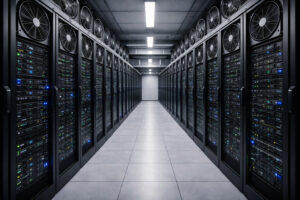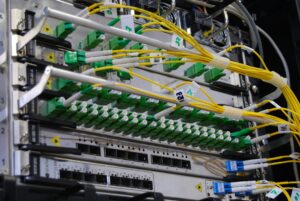

Financial systems, public services, and private communication increasingly depend on interconnected infrastructure that links networks, devices, and software platforms across regions. Financial transactions pass through global data centers, healthcare systems exchange records between institutions, and industrial facilities rely on connected monitoring equipment that communicates with centralized control systems. Within this environment, cybersecurity has become an operational requirement embedded across nearly every layer of technological infrastructure.
The expansion of global connectivity has introduced more complex security dynamics. Organizations now manage environments that include cloud services, remote access systems, mobile devices, industrial sensors, and consumer hardware operating within shared communication frameworks. Each additional connection increases the number of potential entry points for unauthorized access attempts.
Security strategies therefore extend beyond individual systems and address entire environments. Protecting data flows requires coordination between hardware, software platforms, and operational oversight processes that collectively maintain the stability of interconnected communication systems.
Expanding Attack Surfaces Across Connected Infrastructure
Connectivity has fundamentally changed how systems interact. Enterprise networks now link cloud platforms, internal servers, remote workstations, mobile devices, and external partner systems through continuous communication channels. Each connection represents a potential entry point for unauthorized access.
The concept of an attack surface refers to the total number of accessible points within a system that could be targeted. Earlier computing environments often focused on securing a limited number of servers within controlled boundaries. Modern infrastructure has shifted toward distributed environments where systems operate across multiple locations and platforms.
Organizations frequently maintain hybrid environments that combine on-premise systems with cloud services. Remote work technologies allow access from various locations, while industrial equipment connects through sensor networks that transmit operational data to centralized monitoring platforms.
These interconnected systems create multiple pathways through which threats can spread. A vulnerability in a single device or application can provide access to broader network resources. Security strategies therefore evaluate system architecture as a whole rather than focusing on isolated components.
Threat actors often exploit weak authentication processes or unpatched software vulnerabilities. After gaining initial access, they may attempt to move laterally across connected systems in search of sensitive data or operational control points.
To address this, modern security architecture emphasizes segmentation. Networks are divided into controlled zones that restrict how data flows between systems. Even if one segment is compromised, segmentation can limit further access across the infrastructure.
As organizations continue to expand their systems, each new integration introduces additional considerations for security assessment and control.
The Role of Data Protection and Encryption
Data moves continuously across network infrastructure, including financial records, communications, operational data, and system telemetry. Protecting this information requires mechanisms that maintain confidentiality during transmission and storage.
Encryption is one of the most widely used methods for securing data. It converts readable information into encoded formats that can only be interpreted with the appropriate keys. Even if intercepted during transmission, encrypted data remains inaccessible without proper authorization.
Encryption operates at multiple stages. Communication protocols secure data as it travels across networks, while storage systems protect information stored in databases and hardware systems. Some platforms also apply encryption during processing to reduce exposure within computing environments.
Key management systems control access to encryption keys, ensuring that only authorized systems and users can decrypt protected data. Weak key management can undermine otherwise strong encryption practices.
Encryption does not eliminate all risks. Attackers may target endpoints where data is decrypted for legitimate use. Compromised devices or applications can expose information after it has been processed within authorized environments.
Despite these limitations, encryption remains a foundational component of cybersecurity architecture, protecting data across distributed systems.
Threat Intelligence and Real-Time Monitoring
Cybersecurity operations rely heavily on monitoring systems capable of identifying irregular activity across complex environments. These systems analyze network traffic, system logs, and user behavior to detect potential threats.
Automated detection plays a central role due to the volume of data processed within modern networks. Monitoring platforms evaluate patterns and identify anomalies that may indicate unauthorized activity.
Intrusion detection systems inspect network traffic for known attack signatures. When suspicious activity is identified, alerts prompt further investigation by security teams.
Behavioral analytics extends detection capabilities by analyzing patterns of normal system activity. Deviations—such as unusual login behavior, unexpected data transfers, or irregular system usage—can signal potential security concerns.
Threat intelligence networks provide additional support by sharing information about emerging vulnerabilities and attack methods observed across global systems. Organizations use this information to update defenses and anticipate potential risks.
Monitoring systems operate continuously, providing visibility into system behavior and enabling early detection of issues before they escalate into larger disruptions.
Regulatory Environments and Compliance Responsibilities
Cybersecurity is closely connected to regulatory frameworks designed to protect sensitive data and critical infrastructure. Governments and regulatory bodies establish requirements that define how organizations must manage and secure information.
These frameworks often mandate baseline security practices. Organizations may be required to implement encryption, maintain access controls, and document incident response procedures. Requirements vary depending on the type of data being processed and the industry involved.
Financial institutions operate under strict regulatory oversight due to the importance of transaction systems and financial data. Healthcare organizations must protect patient information while ensuring accessibility for authorized personnel.
Regulations also emphasize transparency. Organizations are often required to report data breaches within defined timeframes, enabling oversight bodies to monitor security trends and enforce compliance.
Third-party service providers are included within these requirements. Organizations must ensure that external partners maintain security standards consistent with regulatory expectations.
Compliance introduces additional operational considerations, requiring alignment between technical systems and legal frameworks.
Operational Security in Industrial and Critical Infrastructure Systems
Industrial control systems represent a distinct category of cybersecurity challenge. These systems manage physical infrastructure such as energy grids, manufacturing facilities, transportation systems, and water treatment operations.
Historically, many industrial systems were designed with a focus on operational reliability rather than cybersecurity. Limited connectivity reduced exposure to external threats. As these systems have become more integrated with digital networks, their exposure has increased.
This integration introduces new risks. Attacks targeting industrial systems may aim to disrupt physical processes rather than access data alone. Compromised systems can affect production, infrastructure stability, or service delivery.
Security strategies for industrial environments must balance protection with operational continuity. System downtime can disrupt essential services, so security controls must be implemented carefully.
Network segmentation is commonly used to separate operational systems from general IT infrastructure. This reduces the likelihood of threats spreading between environments.
Specialized monitoring tools analyze operational signals and system behavior within industrial networks. These tools help detect irregularities that may indicate unauthorized interference with physical processes.
Cybersecurity in these environments requires collaboration between engineering teams, IT professionals, and security specialists.
Economic and Structural Pressures on Cybersecurity Infrastructure
Cybersecurity strategies operate within economic constraints that influence how organizations allocate resources. Implementing monitoring systems, encryption frameworks, and response capabilities requires investment in both technology and personnel.
Organizations must balance security investments with other operational priorities. Infrastructure expansion, software development, and efficiency initiatives compete for the same resources required to strengthen security systems.
At the same time, cybersecurity incidents can result in financial consequences. Data breaches may lead to regulatory penalties, operational disruption, and reputational impact. These risks influence how organizations evaluate investments in preventive security measures.
Insurance has become part of the broader cybersecurity landscape. Cyber insurance policies may provide financial protection against certain types of incidents while requiring organizations to meet specific security standards.