
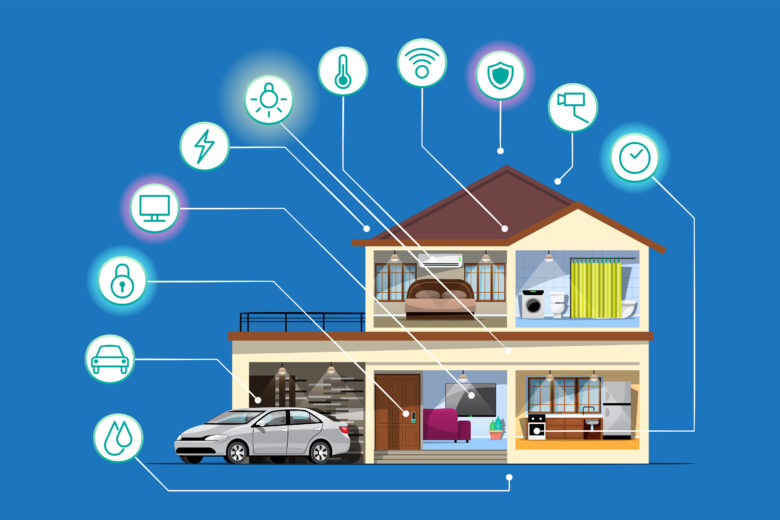
The foundation supporting connected devices has expanded rapidly as computing capability extends beyond traditional computers into everyday settings. Residential spaces, transportation systems, healthcare equipment, and consumer electronics increasingly incorporate embedded processors, sensors, and communication modules that enable devices to exchange information continuously. These devices rarely operate in isolation. Instead, they participate in coordinated device networks where software platforms manage communication, synchronize operations, and interpret data generated across distributed systems.
Economic and infrastructure investment in these networks reflects a shift toward persistent connectivity as a baseline expectation rather than an optional feature. Device manufacturers design hardware that communicates with cloud platforms, service providers maintain systems that aggregate device data, and telecommunications networks supply the connectivity required for continuous communication between endpoints.
The result is an expanding device ecosystem in which appliances, environmental sensors, wearable devices, and industrial equipment function as components of integrated service structures. Within these environments, information flows between devices, cloud infrastructure, and software applications that coordinate device behavior. This architecture continues to influence how households, businesses, and public infrastructure interact with technology embedded in daily life.
Device Systems as Operational Infrastructure
Connected device environments rely on a layered infrastructure that combines physical hardware, networking protocols, and service platforms responsible for coordinating device activity. At the physical level, devices incorporate sensors and microcontrollers capable of collecting environmental data or executing automated tasks. Thermostats monitor temperature changes, wearable devices track physiological indicators, and smart appliances adjust operational behavior based on usage patterns.
Connectivity transforms these devices from isolated tools into participants within a broader operational system. Wireless communication protocols such as Wi-Fi, Bluetooth, Zigbee, and cellular networks allow devices to transmit information to nearby gateways or directly to remote computing platforms. Each communication layer serves a different purpose depending on range, bandwidth requirements, and power consumption characteristics.
Once data reaches network gateways or cloud infrastructure, software platforms interpret incoming signals and determine how devices should respond. Automation engines may trigger actions such as adjusting environmental controls, activating security systems, or synchronizing notifications across multiple devices. In residential environments, these processes often occur seamlessly through cloud services that coordinate device communication behind the scenes.
Reliability becomes essential when devices operate as part of coordinated systems. Infrastructure designers therefore incorporate redundancy and fallback communication channels so that device networks can continue functioning even when individual nodes fail or connectivity becomes unstable. Operational stability is achieved through the architecture that coordinates devices rather than through any single device itself.
The structure resembles distributed computing systems more than traditional consumer electronics. Devices generate data streams, platforms interpret them, and services coordinate responses across multiple endpoints.
Data Streams Within Connected Environments
Data generated by connected devices forms a continuous stream of environmental, behavioral, and operational signals. Temperature sensors measure climate conditions, motion detectors monitor activity patterns, smart meters track energy consumption, and wearable devices record biometric information related to movement or physical state.
These signals pass through multiple processing stages before producing meaningful outcomes. Initial processing often occurs locally through embedded microcontrollers that filter raw sensor readings or apply basic decision rules. Local processing reduces network traffic and allows devices to respond immediately to specific conditions, such as activating lighting when motion is detected.
More advanced analysis takes place once data reaches centralized platforms where computational resources support deeper evaluation of patterns across large datasets. Platforms compare incoming signals with historical data to identify anomalies, optimize device behavior, or anticipate future conditions. Energy management systems provide a clear example: data collected from connected appliances, thermostats, and smart meters can be analyzed to evaluate peak demand periods and adjust device operation accordingly.
The scale of these data streams increases significantly as the number of connected devices grows within homes and public infrastructure. A single smart building may generate millions of sensor readings daily, requiring storage systems capable of handling high-volume telemetry data.
Not all data requires long-term storage. Some information exists only briefly within system memory to support immediate operational decisions before being discarded. Other datasets contribute to long-term analytics used for infrastructure planning, predictive maintenance, or service optimization.
The distinction between short-term operational data and long-term analytical datasets shapes the architecture of connected device platforms. Storage systems, analytics engines, and communication networks must support both forms of processing simultaneously.
Interoperability and Platform Coordination
A connected environment rarely depends on devices produced by a single manufacturer. Residential and commercial spaces typically contain hardware from multiple vendors, each designed according to different communication standards and software frameworks. Interoperability therefore becomes essential to ensure that devices can coordinate actions without requiring uniform hardware platforms.
Standards organizations and technology providers have developed communication frameworks that allow devices to exchange information using shared protocols. Messaging formats, authentication methods, and device discovery mechanisms enable systems to recognize and interact with previously unknown devices joining the network. Without these standards, connected environments would remain fragmented collections of isolated products rather than integrated systems.
Coordination platforms often function as intermediaries between heterogeneous devices. These platforms translate communication protocols, manage authentication credentials, and maintain device registries that map hardware identifiers to operational roles within the network. A smart home hub, for example, may coordinate lighting systems, climate control equipment, security sensors, and entertainment devices even when those components originate from different manufacturers.
Interoperability introduces architectural complexity. Each additional communication standard increases the number of potential interaction pathways within the network. System designers must therefore balance flexibility with stability, ensuring that devices can communicate broadly while maintaining predictable system behavior.
Compatibility frameworks also influence how software updates propagate across device networks. Firmware updates may introduce new communication capabilities or alter device behavior, requiring platforms to ensure that previously compatible devices continue to function correctly after updates are applied.
Interoperability is not merely a technical feature. It determines whether connected environments operate as cohesive systems.
Security and Governance Across Distributed Devices
Security architecture within connected device environments must address both physical hardware vulnerabilities and network-based threats. Unlike centralized computing systems, device ecosystems involve large numbers of distributed endpoints that may operate in uncontrolled environments such as homes, public infrastructure, or industrial facilities.
Each device represents a potential entry point into the broader network. Weak authentication methods, outdated firmware, or insecure communication protocols can allow unauthorized access to device functionality or the data those devices transmit. As device networks expand, the number of potential attack surfaces increases accordingly.
To address these risks, security frameworks incorporate multiple protective mechanisms. Device authentication ensures that only recognized hardware can connect to platform services. Encryption protects data transmitted across networks, preventing interception from exposing sensitive information. Firmware validation methods prevent unauthorized software from executing within device hardware.
Security monitoring platforms analyze network activity patterns to detect anomalies that may indicate attempted intrusions. When irregular behavior appears—such as unexpected data transmissions or unauthorized configuration changes—security systems can isolate affected devices or restrict their communication capabilities.
Governance structures influence how these security measures are implemented. Manufacturers must comply with regulatory requirements governing device security, data protection, and software update practices. Service providers must ensure that platforms managing device ecosystems adhere to privacy regulations and operational standards.
Oversight responsibilities extend beyond technical controls. Policy frameworks define how device data is stored, shared, and processed by service providers. As connected devices collect increasing volumes of environmental and behavioral data, governance mechanisms determine how that information is managed responsibly.
Economic and Infrastructure Implications of Device Expansion
The expansion of connected devices influences infrastructure investment across telecommunications networks, data processing platforms, and energy distribution systems. As more devices transmit data continuously, communication networks must accommodate increasing volumes of traffic generated by device telemetry and remote service interactions.
Telecommunications providers expand network capacity through fiber infrastructure, 5G deployment, and specialized machine-to-machine communication technologies designed to support large numbers of low-power devices. These networks differ from traditional consumer broadband systems by prioritizing reliability and coverage over extremely high bandwidth.
Data processing infrastructure experiences similar scaling pressures. Platforms responsible for aggregating device data must handle vast volumes of incoming signals while maintaining low latency for operational responses. Cloud computing environments provide the scalability required to meet these demands, enabling service providers to expand computational capacity dynamically as device adoption increases.
Economic models associated with connected devices extend beyond hardware sales. Many service providers operate subscription-based platforms that manage device communication, analytics services, and remote management capabilities. Revenue structures therefore combine hardware deployment with ongoing service relationships between providers and users.
Energy infrastructure also experiences indirect effects from device proliferation. Smart energy systems rely on connected meters, grid monitoring equipment, and distributed energy resources that communicate with centralized management platforms. These systems help coordinate power distribution and integrate renewable energy sources into existing grids.
Infrastructure development associated with connected devices therefore spans multiple sectors simultaneously.
Long-Term Structural Changes in Connected Environments
Connected devices gradually reshape the operational structure of residential spaces, workplaces, and public infrastructure. Environmental systems within buildings adjust automatically based on sensor input. Transportation systems rely on connected sensors that monitor traffic patterns and infrastructure conditions. Healthcare monitoring devices transmit patient data directly to clinical platforms where it can be evaluated remotely.
The scale of these changes depends not only on device innovation but also on the capacity of supporting infrastructure to maintain continuous connectivity. Device ecosystems operate within larger technical systems that include telecommunications networks, cloud computing facilities, and regulatory oversight frameworks governing device security and data management.
Institutional planning increasingly accounts for these conditions. Urban infrastructure projects incorporate sensor networks designed to monitor environmental conditions and manage public services more efficiently. Industrial facilities deploy connected equipment that provides real-time operational diagnostics. Residential construction often includes preinstalled device infrastructure designed to support integrated automation systems.
Coordination among these systems remains complex. Devices must communicate reliably, platforms must process data efficiently, and governance frameworks must ensure that operational benefits do not compromise security or privacy obligations.