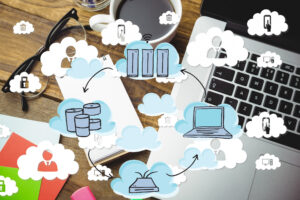

Across workplaces, homes, and institutional systems, software no longer resides solely on individual devices. Applications now operate through distributed infrastructure that connects local interfaces to remote processing environments, enabling data to be accessed, modified, and synchronized across multiple locations simultaneously. This shift has restructured how information flows through technological ecosystems, influencing everything from enterprise operations to everyday consumer interactions.
Cloud-based software environments form the backbone of this transformation. Files created on one device can be accessed from another within seconds. Collaborative platforms allow multiple users to interact with shared documents in real time. AI-driven services process data remotely while presenting results through local interfaces. These patterns reflect a broader transition toward systems where computing resources, storage, and analytical capabilities exist within interconnected infrastructure rather than isolated hardware.
The evolution of data access is closely tied to the architecture of cloud platforms. As software environments become increasingly integrated with networked systems, the relationship between users, devices, and data continues to shift, shaping how digital ecosystems function across diverse contexts.
Distributed Infrastructure and Data Availability
Cloud-based software depends on distributed infrastructure that spans multiple geographic locations. Data centers positioned across regions store and process information while maintaining redundancy to ensure continuous availability. When users access cloud applications, requests are routed through network pathways to the most efficient server, improving responsiveness and reducing latency.
This distributed model allows systems to remain operational even when individual components experience disruption. If one data center encounters a failure, others can continue serving requests, preserving access to applications and stored data. Redundancy mechanisms replicate information across multiple locations, ensuring continuity despite localized outages.
The structure of distributed infrastructure also supports scalability. As demand increases, additional computing resources can be allocated dynamically within the network. This flexibility enables cloud platforms to handle fluctuating workloads without requiring significant changes to underlying hardware.
In practical environments, these capabilities support uninterrupted access to information. Work documents remain available across devices, streaming platforms deliver content consistently, and enterprise systems maintain operational continuity across global teams.
Software as a Service and Platform Integration
Cloud-based software frequently operates through service-oriented delivery models. Software as a Service platforms provide access to applications through web interfaces or lightweight clients, removing the need for local installation.
These platforms integrate multiple functional layers. User interfaces run on local devices, while application logic and data processing occur within remote servers. Updates are deployed centrally, allowing users to access new features without manual installation.
Integration between services expands functionality further. Data generated within one application can be accessed by another through shared APIs or platform connections. For instance, customer data stored within a database system may be analyzed by reporting tools or used within communication platforms.
This interconnected structure forms a network of software environments where applications interact rather than operate independently. The boundaries between individual tools become less distinct as data flows across systems seamlessly.
Data Synchronization Across Devices and Environments
Data synchronization is a defining feature of cloud-based software. Changes made on one device are reflected across all connected systems, ensuring that users interact with the most current version of information regardless of location.
Synchronization relies on continuous communication between devices and cloud servers. When data is modified, updates are transmitted to centralized storage, which then distributes the changes to other connected devices.
Conflict resolution mechanisms address situations where multiple users or systems modify the same data simultaneously. These systems track changes and provide methods for merging updates or preserving multiple versions.
The impact of synchronization extends beyond individual productivity. Collaborative environments depend on real-time updates to coordinate tasks and maintain shared project visibility. In personal contexts, synchronization ensures that media, settings, and application data remain consistent across devices.
Data synchronization supports a continuous flow of information within interconnected digital ecosystems.
AI Systems and Remote Data Processing
Artificial intelligence systems play an increasingly important role within cloud-based software environments. Many AI models require computational resources that exceed the capabilities of individual devices, making cloud infrastructure essential for processing and analysis.
Cloud platforms host machine learning systems that process large datasets and generate outputs delivered through applications. Image recognition tools analyze visual input, language systems process text, and recommendation engines evaluate user behavior to personalize content delivery.
Remote processing enables devices with limited hardware capabilities to access advanced functionality. Applications rely on cloud-based models to perform complex analysis while presenting results locally. This architecture extends AI capabilities across a wide range of devices.
AI integration also influences data management practices. Models rely on continuous data input to maintain accuracy, creating feedback loops where user interactions contribute to system refinement. Cloud environments facilitate this process by enabling large-scale data collection and processing.
The relationship between AI systems and cloud infrastructure demonstrates how computational capabilities are distributed across networks.
Security and Access Control in Cloud Environments
As data moves across networked systems, security becomes a central component of cloud architecture. Access control mechanisms regulate who can view, modify, or manage information stored within cloud platforms.
Authentication systems verify user identities before granting access. Multi-factor authentication adds additional layers of security, reducing the risk of unauthorized entry. Permission structures define access levels, ensuring that users interact only with relevant data.
Encryption technologies protect information during both transmission and storage. Data transmitted across networks is encoded to prevent interception, while stored data may be encrypted within cloud systems.
Monitoring systems analyze activity patterns to detect potential threats. Automated alerts enable administrators to respond to unusual behavior, helping maintain system integrity.
Security frameworks combine technical safeguards with operational oversight to protect cloud-based environments.
Consumer Technology and Everyday Data Access
Cloud-based software has become embedded within everyday technology. Personal devices such as smartphones, tablets, and laptops rely on cloud services to store and access information, enabling seamless interaction across platforms.
Applications for communication, media consumption, and productivity often operate through cloud infrastructure. Photos captured on one device can be accessed on another, streaming services deliver content without local storage, and productivity tools allow documents to be edited from multiple locations.
These patterns influence how individuals interact with technology. Data is no longer tied to a single device but exists within shared environments accessible through multiple interfaces. This reduces dependence on local hardware while increasing reliance on connectivity.
Consumer technology environments reflect broader trends in cloud-based data access.
Enterprise Systems and Organizational Data Flow
Organizations rely on cloud-based software to manage complex data flows across departments and geographic regions. Enterprise systems integrate communication tools, storage environments, and analytical platforms within unified infrastructure.
Cloud platforms support collaboration by allowing employees to access shared resources regardless of location. Real-time communication systems coordinate workflows, while centralized storage ensures data consistency across teams.
Many organizations use hybrid architectures that combine local infrastructure with cloud services. Sensitive data may remain within private systems, while other operations leverage public cloud platforms. This approach balances flexibility with security considerations.
Data flow within these environments becomes dynamic as systems integrate through APIs and shared platforms. Information generated within one department can be accessed and analyzed by others, supporting coordinated decision-making.
Network Performance and Latency Considerations
The effectiveness of cloud-based software depends on network performance. Data must travel between devices and servers quickly enough to support responsive interaction. Latency, or delay between request and response, plays a key role in user experience.
Cloud providers distribute infrastructure across geographic regions to reduce latency. Content delivery networks store frequently accessed data closer to users, minimizing transmission distance.
Bandwidth also influences performance. High-speed connections enable efficient transfer of large datasets, while limited bandwidth can restrict application functionality.
Performance optimization requires balancing infrastructure design with network capabilities. As applications become more data-intensive, maintaining responsiveness remains a central challenge.
Interoperability Across Software Ecosystems
Cloud environments often involve multiple platforms interacting within shared ecosystems. Interoperability refers to the ability of these systems to exchange data and function together effectively.
Standardized protocols and APIs enable communication between applications. This allows organizations to combine tools from different providers, creating flexible environments tailored to specific needs.
Interconnected systems support workflows that span multiple platforms. Data generated within one system can trigger actions in another, enabling automated processes.
Interoperability introduces complexity due to differences in data formats and system architectures. Managing these challenges requires coordination between platforms to ensure compatibility.
Data Storage Evolution and Scalability
Storage systems within cloud environments have evolved to support growing data volumes. Distributed storage architectures allow information to be stored across multiple servers, providing scalability and redundancy.
As data increases, cloud platforms allocate additional storage resources dynamically. This ensures that applications can manage expanding datasets without infrastructure limitations.
Tiered storage systems optimize performance and cost. Frequently accessed data is stored in high-speed environments, while less active data is archived in lower-cost storage.
These advancements enable cloud platforms to manage complex data environments efficiently.
Observations on Software Behavior Across Connected Environments
Cloud-based software operates within environments defined by continuous interaction between devices, platforms, and data systems. Applications respond to user input while processing information within remote infrastructure, creating a layered experience that combines local interaction with distributed computation.
Patterns emerge within these systems. Data flows continuously, synchronization maintains consistency, and AI systems adapt based on ongoing input. These interactions shape how software behaves in both personal and organizational contexts.
The increasing integration of cloud platforms into everyday technology reflects a shift toward computing models where resources are distributed across networked infrastructure rather than confined to individual devices.