
Daily routines increasingly unfold within systems that process information continuously, interpreting signals from devices, applications, and networks that operate in parallel. Artificial intelligence has become embedded within these systems, shaping how tasks are performed, how information is accessed, and how environments respond to human activity. Its influence is not limited to specialized domains; it extends into communication tools, transportation systems, healthcare platforms, and household technologies that function within interconnected digital structures.
This transformation reflects the integration of computational models into the infrastructure that supports everyday interaction. Data generated through routine activity is analyzed in real time, allowing systems to adjust outputs, recommend actions, or automate processes without direct instruction. Software platforms coordinate these interactions, while network connectivity enables continuous exchange between local devices and distributed processing systems.
The observable effect is a shift in how technology operates within ordinary environments. Devices no longer function solely as passive tools but participate in processes that adapt dynamically, creating conditions where functionality evolves alongside user behavior and changing inputs.
Intelligent Systems in Consumer Devices
Consumer devices increasingly incorporate AI-driven functionality that reshapes interaction. Smartphones, wearable devices, and home assistants process data related to user input, environmental context, and usage patterns. These systems interpret signals in real time, enabling devices to respond with adaptive behavior that adjusts based on context.
Embedded processors designed for machine learning tasks support local analysis, reducing dependence on external systems for immediate operations. Speech recognition, facial identification, and contextual awareness can be handled directly on devices, allowing for fast response times. At the same time, more complex analysis may occur through distributed systems, with results transmitted back to the device.
This dual structure, combining local and remote computation, defines how consumer technology operates within modern environments. Devices maintain responsiveness while accessing broader analytical capabilities, reflecting a balance between autonomy and connectivity.
Data Flows and Continuous Analysis
Artificial intelligence systems rely on continuous data flow, where information is collected, transmitted, and processed across multiple layers of infrastructure. Data originates from sensors, applications, and user interactions, forming streams that feed into analytical models.
Processing occurs within distributed environments that interpret patterns and generate outputs. These outputs influence recommendations, trigger automated processes, or adjust system behavior. As new data is generated, the cycle continues, forming an ongoing loop of analysis and response.
This approach differs from earlier computational models that relied on discrete processing events. AI-driven systems operate within continuous streams, allowing them to remain aligned with real-time conditions and adapt to changes as they occur.
AI in Communication and Information Access
Communication platforms increasingly depend on artificial intelligence to manage and interpret information. Messaging systems filter content, prioritize interactions, and suggest responses based on contextual analysis. Search engines process queries using models that interpret intent, improving the relevance of results.
Content delivery systems analyze user behavior to determine how information is presented. News feeds, streaming services, and social platforms adjust outputs based on interaction patterns, shaping how content is accessed and consumed.
The integration of AI into communication systems influences how information flows across digital environments. Systems organize and prioritize data dynamically, affecting the structure and accessibility of communication.
Automation in Domestic Environments
Household technologies increasingly incorporate automation driven by artificial intelligence. Smart home systems manage lighting, temperature, and security through coordinated interaction between devices. Sensors detect environmental conditions, while AI models determine appropriate responses based on observed patterns.
These systems operate continuously in the background, adjusting settings without requiring direct input. Climate control may adapt to occupancy patterns, while lighting systems respond to time and activity. The result is an environment that adjusts dynamically to changing conditions.
Integration across devices enhances functionality. Appliances, entertainment systems, and security components communicate through shared platforms, creating coordinated responses that extend beyond individual device operation.
Healthcare Systems and Predictive Analysis
Artificial intelligence contributes to healthcare systems by supporting data analysis processes used in monitoring and diagnostics. Systems process information from medical imaging, patient records, and sensor-based inputs to identify patterns within datasets.
Predictive models analyze historical and current data to identify trends that may inform evaluation. These systems operate alongside established methods, contributing additional analytical perspectives.
The integration of AI into healthcare reflects broader patterns in data-driven systems, where large volumes of information are interpreted to support understanding of complex conditions.
Transportation and Autonomous Systems
Transportation systems incorporate artificial intelligence to support navigation, traffic coordination, and vehicle operation. Autonomous systems rely on sensors and machine learning models to interpret surroundings and respond to changing conditions.
Traffic management platforms analyze data from vehicles and infrastructure to adjust flow and reduce congestion. These systems respond dynamically, adapting to real-time conditions across networks.
The interaction between vehicles, infrastructure, and data systems illustrates how AI contributes to coordinated mobility environments where multiple components operate together.
Workplace Transformation and Process Automation
Artificial intelligence has influenced workplace processes by introducing automation and data-driven analysis into operational workflows. Software platforms integrate models that process information, identify patterns, and support decision-making.
Routine tasks such as scheduling, data processing, and reporting are increasingly handled by automated systems. This allows human participants to focus on activities that require interpretation and oversight.
Collaboration tools incorporate AI features that organize information, manage workflows, and provide insights into system activity. These capabilities support more efficient coordination within organizational environments.
Software Environments and Adaptive Interfaces
Software environments increasingly incorporate adaptive interfaces that respond to user behavior. Applications adjust layout, content, and functionality based on interaction patterns identified through machine learning models.
Frequently used features may become more accessible, while less relevant elements are deprioritized. These changes occur continuously, reflecting the dynamic nature of AI-driven systems.
The effectiveness of these adaptations depends on how data is shared across systems. Integrated platforms provide more cohesive experiences, while isolated environments may limit the extent of adaptation.
Ethical Considerations and System Transparency
The integration of artificial intelligence into everyday systems introduces considerations related to ethics and transparency. Outputs generated by AI models may influence outcomes in areas such as communication, operations, and data interpretation.
Understanding how systems generate results supports evaluation and oversight. Transparency in system behavior allows for greater accountability within digital environments.
Data usage also requires structured management. Frameworks that define how information is collected, stored, and processed shape how AI systems operate within broader contexts.
Infrastructure and Network Coordination
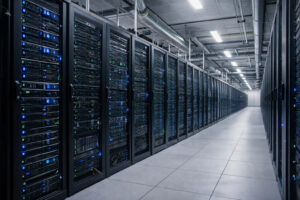
Artificial intelligence operates within infrastructure that supports data transmission, processing, and storage. Network systems connect devices and platforms, enabling the exchange of information required for system functionality.
Coordination between infrastructure components determines system performance. Data must move efficiently between sensors, processing units, and applications while maintaining reliability.
Distributed computing environments provide resources necessary for large-scale AI operations. These systems balance workloads across multiple nodes, ensuring efficient processing under varying conditions.
Long-Term Integration of AI into Everyday Systems
Artificial intelligence continues to integrate into everyday systems, influencing how technology interacts with human activity and environmental conditions. Devices, applications, and infrastructure components operate together to create environments where processes adapt continuously.
This integration reflects a shift toward systems that function as cohesive networks rather than isolated tools. Data flows across multiple layers, influencing behavior at different points within the system.
The ongoing development of AI-driven technologies suggests that their role within everyday environments will continue to expand, shaped by interaction between computational models, software systems, and network infrastructure.