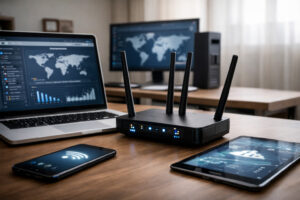

Consumer technology has undergone a structural transformation as digital systems expand and technological structures become more tightly coordinated. Devices once designed for isolated functionality now operate within platforms that manage data, communication, and computation across multiple layers. This shift reflects broader industry changes where the behavior of modern technologies is defined by continuous interaction rather than standalone performance.
Internet infrastructure enables these developments by supporting real-time connectivity between devices, applications, and cloud-based services. Software environments manage how information flows between components, allowing systems to adapt dynamically to user interaction and environmental conditions. As a result, consumer technology has evolved into a network of interdependent tools that shape everyday experiences across personal, professional, and social contexts.
Observable patterns within homes, workplaces, and mobile environments illustrate how these systems function. Devices communicate automatically, applications synchronize data without interruption, and intelligent systems interpret input to adjust behavior. These processes operate continuously, often without direct visibility, reflecting a shift toward environments where technology responds in real time to changing conditions.
Hardware Evolution and Expanding Device Capabilities
Consumer hardware has advanced significantly, transitioning from simple mechanical and electronic designs to systems capable of supporting complex computational processes. Early devices were typically limited to single-purpose functionality, but modern hardware integrates multiple capabilities within compact and efficient form factors.
Processing performance has improved alongside energy efficiency, allowing devices to handle demanding tasks while maintaining portability. Multi-core processors, specialized computing units, and optimized architectures enable operations such as real-time data processing, multimedia rendering, and machine learning tasks to occur within consumer devices.
Sensor technology has also expanded, enabling devices to collect detailed information about their surroundings and user behavior. Motion sensors, cameras, environmental detectors, and biometric inputs contribute to a broader understanding of context, allowing systems to respond more effectively to changing conditions.
Advancements in materials and manufacturing further support these developments. Lightweight construction, improved durability, and extended battery life contribute to devices that integrate seamlessly into daily routines. These hardware improvements provide the foundation upon which modern consumer technology ecosystems operate.
Software Ecosystems and Platform Integration
Software ecosystems play a central role in shaping how consumer technology functions. Operating systems, applications, and cloud-based services interact to create environments where data flows continuously across devices and platforms. This integration allows systems to operate cohesively rather than as independent components.
Platform integration supports continuity of interaction. A process initiated on one device can continue on another without interruption, facilitated by synchronized data and shared application environments. This continuity reflects the importance of interoperability within modern digital ecosystems.
Application frameworks and development platforms further enable this integration. Developers design systems that communicate through standardized interfaces, ensuring compatibility across devices and services. This approach supports scalability and adaptability as new technologies are introduced.
The effectiveness of these ecosystems depends on coordination between components. Systems that integrate efficiently provide consistent and reliable experiences, while fragmented environments may limit functionality and reduce usability.
Internet Infrastructure and Persistent Connectivity
Connectivity serves as a foundational element of consumer technology in the connected era. Internet infrastructure enables communication between devices, applications, and remote systems, supporting the continuous exchange of data required for modern functionality.
High-speed networks facilitate real-time interaction, allowing applications to respond quickly to user input and environmental changes. Persistent connectivity ensures that devices remain synchronized with external systems, enabling features such as automatic updates, remote access, and continuous data availability.
The structure of network infrastructure influences performance. Factors such as bandwidth, latency, and network reliability determine how effectively systems can operate within connected environments. Improvements in these areas contribute to more responsive and consistent user experiences.
Persistent connectivity also changes how devices are used. Rather than functioning independently, devices operate as components within broader systems that rely on continuous communication. This shift reflects the integration of connectivity into the core design of consumer technology.
Artificial Intelligence and Adaptive Functionality
Artificial intelligence has become a defining element of modern consumer technology. AI systems analyze data generated through user interaction and environmental conditions, enabling devices to adapt behavior dynamically rather than relying on fixed programming.
Machine learning models support a range of functions, including voice recognition, image processing, and predictive recommendations. These systems operate continuously, refining outputs as new data becomes available. Over time, devices adjust to patterns of use, providing more tailored interactions.
AI integration extends across multiple applications. Digital assistants interpret spoken commands, recommendation systems analyze user preferences, and smart devices adjust settings based on contextual information. These capabilities enhance the responsiveness and functionality of consumer technology.
Adaptive functionality reflects a broader shift toward systems that learn from data and evolve over time. This approach enables devices to operate more effectively within dynamic environments where conditions and user behavior change continuously.
Mobile Technology and Ubiquitous Access
Mobile devices have played a central role in the evolution of consumer technology, providing continuous access to digital services across different contexts. Smartphones and tablets function as hubs within technological ecosystems, connecting users to applications, communication tools, and data resources.
Portability allows users to interact with technology in a wide range of environments, from residential settings to public spaces. This flexibility has influenced application design, emphasizing responsiveness and adaptability across varying conditions.
Mobile platforms also support integration with other devices. Wearables, smart home systems, and connected appliances often rely on mobile interfaces for control and coordination. This interconnected structure highlights the role of mobile technology as a central point of interaction within consumer ecosystems.
The availability of mobile connectivity supports real-time communication and data access. Users can engage with digital systems regardless of location, reflecting the integration of connectivity into everyday activities.
Cloud Computing and Distributed Data Access
Cloud computing has transformed how consumer technology manages data and processing tasks. Instead of relying solely on local resources, devices access distributed computing systems that provide scalability and flexibility.
Distributed data access enables synchronization across multiple devices. Files, settings, and applications remain consistent regardless of where they are accessed, supporting seamless interaction across platforms. This approach simplifies workflows and reduces the need for manual data management.
Cloud-based processing extends device capabilities by enabling complex tasks to be handled remotely. Applications can perform advanced operations without requiring extensive local resources, allowing devices to maintain performance while accessing powerful computational systems.
The distributed nature of cloud environments also enhances reliability. Data replication across multiple locations ensures availability and reduces the impact of localized disruptions.
Smart Home Systems and Integrated Living Environments
Residential environments increasingly incorporate connected devices that operate within coordinated systems. Smart home technology integrates functions such as lighting, climate control, security, and entertainment into unified platforms.
These systems rely on sensors and data analysis to adjust settings automatically. Devices respond to occupancy patterns, environmental conditions, and user preferences, creating environments that adapt to daily routines.
Integration across devices enables coordinated functionality. A single command or automated process can influence multiple systems simultaneously, reflecting the interconnected nature of modern consumer technology within residential contexts.
The operation of smart home systems illustrates how technology becomes embedded within physical environments, supporting everyday activities through automated processes.
Consumer Behavior and Interaction Patterns
The evolution of consumer technology has influenced how individuals interact with devices and applications. Interaction patterns have shifted from manual input toward more intuitive methods, including voice commands, gesture-based controls, and automated processes.
Continuous operation defines many of these interactions. Devices remain active in the background, monitoring conditions and responding to changes without requiring direct input. This approach reduces the need for constant engagement while maintaining functionality.
User expectations have evolved alongside these changes. Responsiveness, personalization, and seamless integration are now central considerations in how technology is evaluated. These expectations drive ongoing development within technological ecosystems.
The relationship between users and devices reflects a transition toward environments where interaction is integrated into routine activity rather than occurring through discrete actions.
Security, Privacy, and Data Governance
As consumer technology becomes more interconnected, considerations related to security and data governance have become increasingly significant. Devices collect and process large volumes of data, requiring systems that protect information and regulate access.
Encryption technologies secure data during transmission and storage, reducing exposure to unauthorized access. Authentication systems verify identities, ensuring that only authorized users can interact with devices and services.
Monitoring systems track activity patterns to detect anomalies that may indicate potential threats. These systems operate continuously, supporting the stability and integrity of digital environments.
Data governance frameworks define how information is managed across systems. Policies addressing data retention, usage, and access guide how organizations handle digital resources. These frameworks work alongside technical measures to support responsible system operation.
Emerging Trends and Future Directions
Ongoing developments in consumer technology reflect the evolving nature of interconnected systems. Advances in processing capability, connectivity, and software design continue to influence how devices operate and interact.
New categories of devices and applications emerge as technological ecosystems expand. These developments often build on existing infrastructure, extending functionality and introducing new forms of interaction.
Integration across systems is likely to deepen. Devices will continue to operate within coordinated environments, supporting more complex processes and interactions. This trend reflects broader patterns within technological ecosystems where continuous communication defines system behavior.
The evolution of consumer technology is shaped by the interaction between infrastructure, software, and user behavior. As these elements continue to develop, systems adapt to new requirements and use cases.
Conclusion
Consumer technology now operates as part of interconnected systems where hardware, software, and network infrastructure function together to support continuous interaction. Devices no longer exist as isolated tools but as components within broader environments that coordinate data, communication, and computation.
The integration of artificial intelligence, cloud computing, and persistent connectivity has redefined how technology is used across everyday contexts. These systems process information, adapt to changing conditions, and support interaction across multiple platforms.
The ongoing development of consumer technology reflects the balance between performance, connectivity, and adaptability. These systems continue to evolve within technological ecosystems shaped by continuous interaction between devices, applications, and infrastructure.