
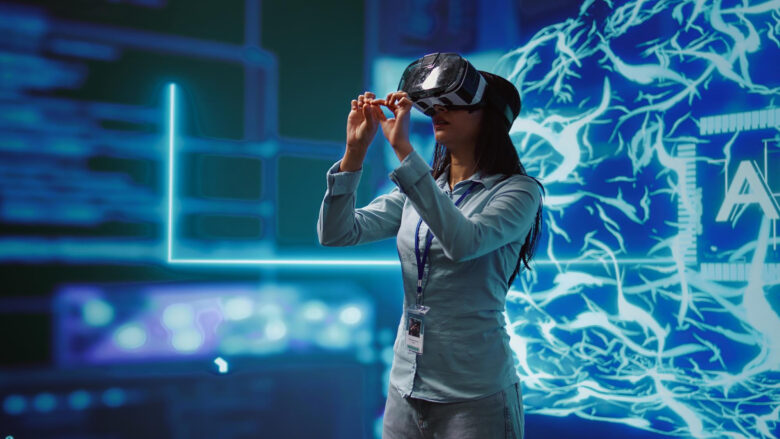
Immersive technologies are reshaping how people and organizations associated with data by mixing physical environment with computational layers that react in genuine time. Virtual and expanded reality frameworks work inside facilitated mechanical frameworks where equipment, program stages, and organize framework work together to convey intuitively visual encounters. These frameworks expand past amusement, impacting communication, preparing, plan, and information visualization over numerous sectors.
Internet framework plays a central part in empowering these encounters. High-bandwidth network and low-latency communication back the transmission of complex visual information, permitting immersive situations to react smoothly to client input. At the same time, program situations arrange rendering forms, spatial mapping, and interaction rationale that characterize how virtual and expanded components behave.
Applications over diverse settings illustrate how immersive advances coordinated into every day schedules and proficient workflows. From collaborative plan stages to simulation-based preparing frameworks, these innovations reflect a move toward situations where advanced substance is experienced spatially or maybe than through conventional interfaces.
The Part of Equipment in Immersive Systems
Immersive encounters depend on specialized equipment able of capturing development, rendering visuals, and handling client input with accuracy. Head-mounted shows, movement sensors, and spatial following frameworks shape the interface through which clients lock in with virtual and expanded environments.
Advancements in show innovation have made strides visual clarity and diminished idleness, empowering smoother interaction. Sensors track head position, eye development, and motions, permitting frameworks to translate client activities precisely. These components work together to make a sense of nearness inside virtual situations or to overlay computerized components onto physical surroundings.
Processing capability too impacts execution. A few frameworks depend on outside computing assets, whereas others coordinated preparing units straightforwardly into the gadget. This refinement influences transportability, responsiveness, and the complexity of immersive experiences.
Software Stages and Spatial Interaction Models
Software stages characterize how immersive situations are developed and experienced. These stages oversee rendering motors, interaction rationale, and substance integration, forming how clients explore virtual or increased spaces.
Spatial interaction contrasts from conventional interface models. Instep of selecting components on a screen, clients lock in with three-dimensional situations through development, signals, and look. This requires unused approaches to interface plan, where interaction is mapped to physical behavior.
Content creation devices inside these stages back the advancement of immersive applications. Designers coordinated visual resources, sound components, and intuitively components to construct situations custom fitted to particular utilize cases, extending from excitement to proficient applications.
Internet Foundation and Real-Time Rendering
Immersive advances depend on strong network to convey responsive encounters. Tall information throughput is required to transmit point by point visual data, especially in real-time or multi-user environments.
Cloud-based rendering gives a arrangement for overseeing computational requests. Instep of preparing all information locally, frameworks can offload rendering assignments to inaccessible servers and stream the comes about back to gadgets. This approach decreases equipment confinements whereas keeping up performance.
Latency remains a basic figure. Indeed negligible delays can disturb inundation, making low-latency systems basic. Progresses in foundation proceed to progress the achievability of real-time immersive frameworks over diverse environments.
Applications in Proficient Environments
Virtual and increased reality frameworks are broadly utilized in proficient settings. In engineering and building, immersive visualization permits clients to investigate plans in three measurements some time recently development, supporting more educated planning.
Training and recreation speak to another key application. Immersive situations duplicate complex scenarios, empowering clients to hone errands in controlled conditions. These frameworks are utilized in healthcare, flying, and mechanical operations, where reasonable reenactment upgrades preparation.
Collaboration inside immersive situations reflects advancing work designs. Members associated inside shared virtual spaces, controlling objects and trading data as if physically co-located.
Consumer Innovation and Amusement Systems
Consumer applications of immersive advances proceed to extend, especially in gaming and media. Virtual reality stages give intuitively encounters that amplify past conventional screen-based formats.
Augmented reality coordinating computerized components into ordinary environment. Portable gadgets and wearable frameworks permit clients to connected with virtual objects layered onto physical situations, supporting applications in route, retail, and communication.
These frameworks work inside interconnected customer biological systems. Information created through interaction educates framework behavior, empowering ceaseless adjustment and personalization.
Data Preparing and AI Integration
Artificial insights upgrades immersive encounters by empowering frameworks to handle information related to client interaction and natural setting. AI models analyze development, motions, and environment to make strides responsiveness and realism.
Computer vision calculations bolster spatial mapping, permitting computerized components to adjust precisely with physical situations. Machine learning frameworks analyze client behavior, altering intuitive to progress usability.
AI-driven substance era too contributes to immersive frameworks. Energetic components can react to client input, expanding changeability and complexity inside virtual situations without requiring manual plan for each scenario.
Challenges in Framework Plan and Integration
Developing immersive advances includes challenges related to framework integration, execution, and ease of use. Equipment and program components must work in coordination to convey steady encounters, requiring synchronization over sensors, preparing units, and show systems.
Performance limitations impact framework plan. High-quality rendering requests considerable computational assets, whereas keeping up responsiveness requires proficient handling. Adjusting these prerequisites remains a key consideration.
User involvement moreover presents challenges. Planning natural interaction inside three-dimensional situations requires cautious consideration to convenience, openness, and flexibility over distinctive client contexts.
Interoperability Over Platforms
Immersive innovations frequently work inside environments that incorporate numerous stages and gadgets. Interoperability decides how viably these frameworks can share information and facilitate functionality.
Standardized conventions back communication between gadgets and stages, empowering applications to work over distinctive situations. This grows the reach of immersive innovations and bolsters broader adoption.
Cross-platform compatibility impacts substance improvement. Engineers make encounters that adjust to changing equipment capabilities, guaranteeing usefulness over differing systems.
Emerging Utilize Cases in Regular Contexts
Immersive innovations are progressively showing up in ordinary situations past specialized applications. Retail stages join expanded reality for item visualization, whereas instructive frameworks utilize virtual situations to show intuitively learning experiences.
Residential situations coordinated immersive applications for amusement and communication. These frameworks interface with existing gadgets, making situations where advanced and physical components associated seamlessly.
Workplace applications proceed to extend, supporting inaccessible collaboration and information visualization. These utilize cases illustrate how immersive advances impact commonsense exercises over diverse contexts.
FAQs
1. What recognizes virtual reality from increased reality?
Virtual reality makes completely immersive situations that supplant physical environment with computerized spaces, whereas expanded reality overlays advanced components onto the genuine world, permitting both to be experienced simultaneously.
2. How do immersive advances handle client interaction?
Immersive frameworks utilize sensors and following components to capture development, motions, and position. Computer program stages handle this information and overhaul the environment in genuine time to reflect client interaction.
3. Where are virtual and increased reality frameworks most commonly used?
They are broadly utilized in gaming, preparing reenactments, plan visualization, and collaborative stages, with applications extending over different industries.
4. Do immersive advances require progressed equipment to function?
Many frameworks depend on specialized equipment such as head-mounted shows and movement sensors, in spite of the fact that a few increased reality applications work on standard gadgets like smartphones.
5. How might immersive advances create in the future?
As network moves forward and computational capabilities grow, immersive frameworks are likely to coordinated advance into regular situations, reflecting continuous interaction between program stages, foundation, and client action.