
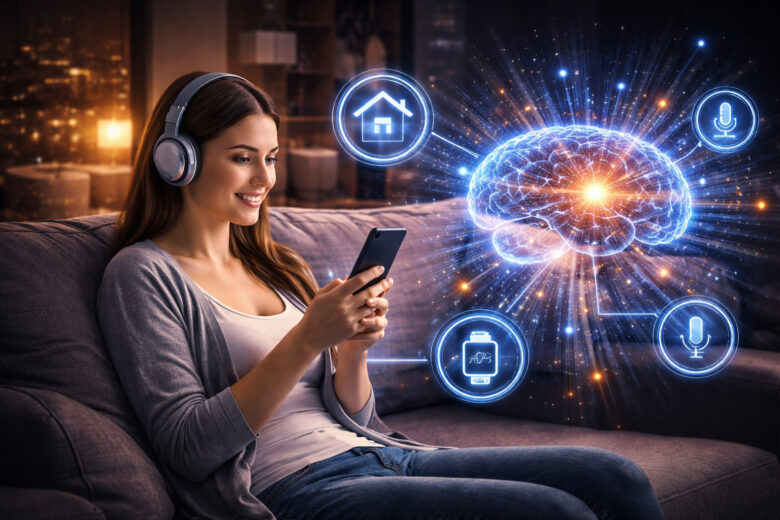
Shopper innovation progressively works inside interconnected mechanical environments where gadgets handle data, communicate over systems, and adjust to designs of utilize. Regular objects such as smartphones, domestic colleagues, wearable gadgets, and machines presently join fake insights capabilities that expand past essential usefulness. These frameworks analyze information created through interaction, empowering gadgets to react powerfully or maybe than depending on settled programming.
Internet framework bolsters this change by empowering persistent information trade between gadgets and farther computing frameworks. Computer program situations arrange these intuitive, permitting applications to coordinated AI-driven highlights that upgrade responsiveness and effectiveness. The result is a move in how shopper innovation capacities inside real-world settings, where gadgets work as components inside broader advanced systems.
Observable changes in every day schedules outline the impact of AI-powered gadgets. Mechanized alterations in domestic situations, personalized substance conveyance, and versatile interfacing illustrate how cleverly frameworks shape interaction between clients and innovation. These improvements highlight the developing part of AI inside customer situations, affecting both usefulness and client experience.
AI Integration Inside Shopper Hardware
AI capabilities are progressively implanted straightforwardly into buyer gadgets, changing equipment into frameworks able of handling data autonomously. Processors outlined for machine learning assignments empower gadgets to perform capacities such as picture acknowledgment, discourse preparing, and prescient investigation without depending totally on inaccessible infrastructure.
Local handling bolsters speedier reaction times and decreases dependence on outside frameworks. Gadgets can analyze input in genuine time, empowering highlights such as voice interaction and biometric acknowledgment to work productively. This integration reflects a move toward equipment that bolsters shrewdly behavior as a center capability.
At the same time, cross breed models combine neighborhood and farther preparing. Gadgets may handle prompt assignments inside whereas depending on cloud-based frameworks for more complex investigation. This adjust permits buyer gadgets to keep up responsiveness whereas getting to progressed computational assets when required.
Software Situations and Versatile Interfaces
Software stages play a central part in planning AI usefulness over gadgets. Applications coordinated machine learning models that decipher client behavior, empowering interfacing to alter powerfully. These alterations may include changes in format, substance prioritization, or framework recommendations.
Adaptive interfacing diminish grinding in interaction by expecting client needs. Frameworks analyze utilization designs, recognizing inclinations that impact how data is displayed. Over time, these adjustments make personalized encounters adjusted with person interaction patterns.
The structure of computer program situations impacts how viably these capabilities work. Stages that coordinated information over different applications give more cohesive encounters, whereas divided frameworks may restrain the scope of adaptation.
Internet Framework and Persistent Connectivity
AI-powered buyer gadgets depend on dependable network to work successfully inside broader innovative biological systems. Web foundation encourages communication between gadgets, empowering information to be transmitted, prepared, and returned as significant outputs.
Continuous network permits frameworks to upgrade in genuine time. Gadgets get unused information, alter behavior, and synchronize with other components inside the organize. This underpins facilitated operation over numerous gadgets, shaping interconnected environments.
Latency and transmission capacity impact how these intelligent happen. Moo inactivity empowers quick reactions, whereas higher transfer speed underpins the exchange of huge datasets required for complex examination. These components shape by and large framework performance.
Smart Domestic Frameworks and Natural Automation
Residential situations outline how AI-powered gadgets impact day by day life. Keen domestic frameworks coordinated sensors, control units, and AI-driven applications to oversee lighting, temperature, security, and other functions.
Automation is educated by information collected through sensors and client interaction. Gadgets alter settings based on inhabitance designs, natural conditions, and learned inclinations. These alterations happen without coordinate input, reflecting the part of AI in empowering independent framework behavior.
Coordination between gadgets improves usefulness. Lighting frameworks react to movement location, whereas climate control alters based on natural information. This integration illustrates how AI-powered gadgets work inside cohesive ecosystems.
Wearable Gadgets and Individual Information Processing
Wearable innovation speaks to another space where AI impacts shopper gadgets. Smartwatches and wellness trackers collect information related to physical action, natural conditions, and utilization designs. Machine learning models analyze this information to create yields that illuminate gadget behavior.
These gadgets work ceaselessly, observing changes and distinguishing designs over time. AI frameworks decipher this data to alter following parameters, create notices, or refine framework reactions. The integration of sensors and handling capabilities permits wearables to work as energetic observing systems.
Data produced by wearable gadgets may too coordinated with broader stages, empowering more comprehensive investigation over different contexts.
Consumer Applications and Personalized Services
AI-powered gadgets amplify their usefulness through applications that provide personalized administrations. Proposal frameworks analyze client behavior to propose substance, items, or administrations, affecting how people associated with computerized platforms.
Personalization depends on nonstop information investigation. Frameworks track interaction designs and alter yields in genuine time, permitting stages to react powerfully to changing preferences.
The interaction between gadgets and applications makes criticism circles. Information produced by gadgets illuminates application behavior, which in turn shapes future intuitive. This cycle bolsters continuous adjustment inside shopper environments.
Security Contemplations in AI-Driven Devices
The integration of AI into buyer gadgets presents contemplations related to information security and framework keenness. Gadgets collect and prepare data that requires assurance from unauthorized access.
Security frameworks control get to to gadgets and applications, guaranteeing that as it were authorized clients can connected with them. Encryption innovations secure information amid transmission and capacity, diminishing introduction to interception.
Monitoring frameworks analyze action designs to identify unpredictable behavior that may demonstrate potential dangers. These instruments bolster the steady operation of AI-powered gadgets inside shopper ecosystems.
Interoperability Over Gadget Ecosystems
AI-powered shopper gadgets regularly work inside biological systems that incorporate items from different producers. Interoperability decides how viably these gadgets communicate and coordinate.
Standardized communication conventions empower gadgets to trade information and work cohesively. Integration stages may encourage interaction between frameworks with diverse structures, extending network inside shopper environments.
The level of interoperability impacts framework adaptability. Situations that back consistent integration permit for more complex intuitive and broader usefulness over devices.
Behavioral Shifts in Innovation Interaction
The integration of AI into customer gadgets has impacted how people associated with innovation. Gadgets work ceaselessly, reacting to input and natural conditions without requiring steady manual control.
Interaction designs move toward more instinctive strategies. Voice commands, gesture-based controls, and robotized forms diminish dependence on conventional interfacing. Clients lock in with innovation through frameworks planned to expect and react to behavior.
These changes reflect a broader change in how innovation is coordinates into day by day schedules. Gadgets gotten to be dynamic members inside situations that adjust ceaselessly to client activity.
FAQs
1. What characterizes an AI-powered customer device?
An AI-powered shopper gadget joins machine learning or data-driven preparing capabilities that permit it to analyze input, recognize designs, and alter behavior over time, or maybe than depending exclusively on settled programming.
2. How do AI-powered gadgets handle information?
These gadgets collect information through sensors, client input, and associated frameworks, at that point prepare this data utilizing calculations that recognize designs and create yields. Handling may happen locally or through inaccessible framework depending on framework design.
3. Where are AI-powered gadgets commonly used?
They are broadly utilized in smartphones, savvy domestic frameworks, wearable innovation, and advanced collaborators, reflecting their integration over shopper environments.
4. Do AI-powered gadgets require consistent web connectivity?
Some gadgets depend on persistent network for progressed handling and upgrades, whereas others can perform certain capacities locally without an dynamic connection.
5. How might AI-powered buyer gadgets advance over time?
As computational capabilities grow and frameworks ended up more interconnected, these gadgets are likely to work inside progressively versatile situations molded by progressing interaction between information, computer program, and organize framework.